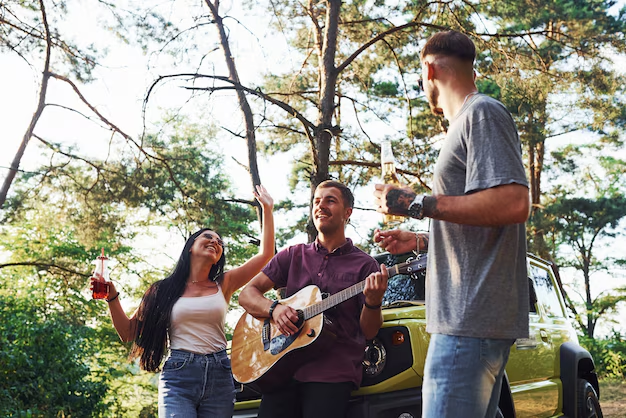
Lifestyle and Recreation: How Everyday Choices Shape a Fulfilling Life
Most people think of “lifestyle and recreation” as the fun part of life: hobbies, travel, weekends, and downtime. But the way you spend your free time quietly shapes your identity, relationships, and overall sense of well‑being. The activities you choose, the routines you create, and the spaces you relax in all contribute to how balanced and satisfied your life feels.
This guide explores lifestyle and recreation from several angles: how to define a lifestyle that fits you, ways to make recreation more meaningful, and practical ideas to bring more enjoyment and balance into everyday life—whether you have a packed schedule, a tight budget, or simply aren’t sure where to start.
What “Lifestyle and Recreation” Really Mean
Lifestyle and recreation often get used as vague buzzwords, but they have clear, practical meanings that affect daily life.
What is “Lifestyle”?
A lifestyle is the pattern of how a person lives day to day. It includes:
- How you spend your time (work, rest, social life, hobbies)
- Your routines and habits (sleep, meals, exercise, screen time)
- What you value (family, creativity, achievement, freedom, stability)
- The environment you live in (home setup, neighborhood, community)
Lifestyle is not just about appearance or trends. It quietly reflects what you prioritize—even when those priorities aren’t fully intentional. For example, if most of your free time goes to scrolling on a phone, that becomes part of your lifestyle, whether or not it matches what you actually want.
What is “Recreation”?
Recreation refers to activities people choose for enjoyment, relaxation, or personal interest rather than obligation. It can be:
- Physically active (sports, hiking, dancing)
- Creative (painting, writing, crafting)
- Social (board games, group outings, community events)
- Quiet or reflective (reading, gardening, solo walks)
Recreation is less about the activity itself and more about how it makes you feel. Two people can go for the same walk; for one, it’s exercise, for another, it’s a mental reset.
Key idea: Lifestyle is the overall pattern. Recreation is one of the most flexible tools you have to shape that pattern toward something more enjoyable and sustainable.
Why Recreation Matters in Everyday Life
Recreation is sometimes treated as optional—something that happens only when “there’s time.” Yet it influences several important areas of life.
Supporting Emotional and Mental Well‑Being
People often describe recreational activities as:
- A way to “switch off” from work or responsibilities
- A channel for expressing emotions and creativity
- A source of joy, novelty, or gentle challenge
Many find that regular recreation helps them feel more grounded, less irritable, and more able to handle stress. Spending time on an absorbing hobby can create a sense of flow—a state where time passes quickly and attention isn’t scattered.
Strengthening Social Bonds
Shared leisure time often deepens relationships. Common patterns include:
- Families using games, outdoor trips, or shared projects to connect
- Friends bonding over sports leagues, clubs, or classes
- Communities building ties through festivals, cultural events, or local groups
Even small rituals, like a weekly walk with a friend, can become anchors in a busy week.
Balancing Productivity and Rest
Modern culture often emphasizes productivity and constant availability. Recreational time creates a counterbalance. People who regularly protect some leisure time often report:
- Feeling more refreshed when they return to work
- Having more creative ideas
- Experiencing less sense of burnout over time
Rest and recreation do not compete with productivity; they interact with it. A lifestyle that leaves no room for enjoyment often becomes harder to sustain.
Exploring Types of Recreation: Finding What Fits You
Recreation is not one-size-fits-all. Understanding different types can help you see which categories you already enjoy and where you might want to experiment.
1. Active Recreation
These activities involve movement and physical engagement.
Examples:
- Walking, jogging, cycling
- Yoga, Pilates, stretching
- Team sports (soccer, basketball, volleyball)
- Solo sports (tennis, swimming, climbing)
- Dance classes or social dancing
People often value active recreation for:
- A sense of energy and vitality
- A break from sitting or screen-based tasks
- Enjoyment of skill-building and friendly competition
For some, low-impact activities like gentle walking or casual dancing feel more appealing than formal workouts. The key is movement that feels enjoyable, not punishing.
2. Creative and Artistic Recreation
Creative recreation focuses on making or expressing something.
Examples:
- Drawing, painting, photography
- Writing stories, journaling, poetry
- Playing a musical instrument or singing
- Crafts such as knitting, woodworking, pottery
- DIY home projects, upcycling, or design
People often describe creative activities as:
- A way to express feelings they can’t easily put into words
- A source of pride and accomplishment
- A way to enter a focused, calming state
Creative recreation can be private or shared—some enjoy showing their work, while others prefer the process over the result.
3. Nature-Based Recreation
Nature offers a distinct kind of refreshment and sensory experience.
Examples:
- Hiking, walking in parks, or visiting gardens
- Birdwatching, stargazing, or photography outdoors
- Camping, fishing, or simple picnics
- Beach visits, lakeside walks, or riverside paths
Many people find that time outdoors can:
- Provide a change of scenery from indoor, screen-dominated spaces
- Offer a quieter environment to think or reflect
- Create a sense of perspective when daily problems feel overwhelming
You do not need remote wilderness to benefit; even urban green spaces or balcony plants can offer a form of nature connection.
4. Social and Community Recreation
These activities center on interaction and connection.
Examples:
- Game nights, potlucks, or shared meals
- Clubs and groups (book clubs, hobby groups, language meetups)
- Volunteering for causes, events, or community projects
- Attending cultural events, markets, or local gatherings
Social recreation can:
- Reduce feelings of isolation
- Build a sense of belonging
- Create shared memories and ongoing traditions
Not everyone enjoys large groups; small gatherings or one-on-one activities can be equally meaningful.
5. Quiet and Reflective Recreation
Some people recharge best through calm, low-stimulation activities.
Examples:
- Reading books or listening to audiobooks
- Puzzles, crosswords, or brain games
- Mindful practices like gentle breathing or quiet reflection
- Slow hobbies like model building or organizing collections
These activities can:
- Help settle a busy mind
- Provide a sense of routine and comfort
- Create peaceful transitions between busy parts of the day
Designing a Lifestyle That Leaves Room for Recreation
Many people know leisure matters but still struggle to make time for it. Lifestyle design focuses on aligning daily realities with personal values.
Clarifying What You Actually Want
Before changing anything, it helps to understand what “good leisure” looks like to you—not to anyone else.
Questions to consider:
- What activities made you feel alive as a child or teenager?
- Which moments of the past month felt genuinely enjoyable or peaceful?
- If you had one free afternoon each week with no obligations, how would you want to spend it?
- Do you recharge better alone, with a partner, with friends, or in a group?
Looking at past enjoyment often reveals consistent themes: creativity, movement, learning, social connection, or quiet.
Assessing Your Current Lifestyle Pattern
A simple exercise involves listing:
- How you spend a typical weekday outside of work
- How you spend a typical weekend
- Activities you consider “must-do” (chores, errands, caregiving)
- Activities you consider “want-to-do”
This often reveals:
- Pockets of time that disappear into habits like aimless scrolling or TV
- A mismatch between what you enjoy and what actually happens
- Places where a small shift might open space for recreation
Making Small, Realistic Adjustments
Transforming a lifestyle rarely happens overnight. Many people find it more practical to:
- Add micro-moments of recreation (10–15 minutes of reading, drawing, or stretching)
- Combine activities (walking while catching up with a friend by phone)
- Swap one routine habit (one TV episode) for something intentional (a short walk or creative project)
The goal is not to remove all passive relaxation, but to balance it with more active or meaningful leisure.
Everyday Recreation on Any Schedule or Budget
Recreation does not need to be expensive or time-consuming. Many satisfying activities fit into limited resources.
Low-Cost or No-Cost Recreation Ideas
Some widely accessible options include:
- Library visits for books, magazines, or events
- Free museum days or community exhibitions
- Public parks, trails, or local walking groups
- At-home movie nights with a self-made “theme” (genre, era, director)
- Free online tutorials for drawing, dance, music, or crafts
- Swapping books, games, or gear with friends or neighbors
Even within a small living space, people often create small “recreation corners” for reading, crafting, or exercise.
Making Time When Life is Busy
Many people feel leisure is impossible with demanding work or caregiving. Some find it helpful to think in layers of recreation:
- Micro recreation (5–10 minutes): stretching, stepping outside for fresh air, sketching, journaling a few lines
- Regular short sessions (30–60 minutes): a weekly class, group, or hobby session
- Occasional longer blocks (half-days or days): day trips, larger projects, seasonal activities
Protecting even small doses can create a noticeable difference in how the week feels.
Family, Friends, and Shared Recreation
Recreation can play a key role in shaping family culture and friendships.
Family Leisure: Building Traditions and Memories
Families often find that regularly shared activities become traditions that children and adults look forward to. Examples include:
- Weekly game or movie nights
- Monthly “family adventure” days exploring a park or nearby town
- Seasonal rituals like decorating, baking, or outdoor activities
These routines can:
- Offer predictability in a changing world
- Give family members chances to talk without pressure
- Create shared memories that last beyond specific events
Families with different ages or abilities may rotate who chooses the activity to keep things inclusive.
Friendships and Recreational Rituals
Friendships tend to deepen when leisure time is intentional rather than only occasional. Common patterns include:
- Standing coffee or walk dates
- Joining the same class, sport, or club
- Planning simple, recurring events like “first Friday dinners”
People often find that having a scheduled shared activity prevents friendships from fading under busy schedules.
Digital Recreation: Screens, Games, and Balance
Screens are a major part of modern leisure. They offer connection and entertainment, but can also crowd out other forms of recreation if left completely unstructured.
Benefits of Digital Recreation
Many people enjoy:
- Online games as a social outlet or form of challenge
- Streaming movies or shows as a way to unwind
- Social media for keeping up with friends, culture, or hobbies
- Online communities centered on specific interests
Digital platforms can also introduce people to new skills and communities they would not otherwise encounter.
When Digital Leisure Feels Less Fulfilling
Some individuals notice that:
- Long stretches of passive scrolling leave them more tired, not refreshed
- Screen time replaces sleep, in-person interaction, or previous hobbies
- They feel pressure to constantly respond or stay updated
Noticing these patterns can be a cue to gently rebalance leisure time.
Creating Healthier Digital Habits
Some people find it helpful to:
- Decide specific “screen-free” moments (during meals, before bed, first hour after waking)
- Reserve certain types of screens for certain times (for example, social media only after work tasks)
- Pair digital recreation with other forms of leisure (watching a show while doing a simple craft or stretching)
The goal is not to remove digital recreation entirely, but to use it deliberately rather than by default.
Travel and Micro-Adventures: Recreation Beyond Routine
Travel often represents the most visible form of recreation, but it does not have to mean faraway destinations or extended vacations.
Everyday and Local Exploration
Many people discover that “micro-adventures” close to home offer a refreshing break without heavy planning. Examples include:
- Exploring a new neighborhood or nearby town
- Trying a different park, trail, or public space
- Visiting local cultural centers, markets, or small museums
- Planning a themed day (street art walk, food tour, architecture spotting)
These small trips can create a sense of novelty and learning without requiring extensive budgets or time off.
Longer Trips as Lifestyle Experiences
When circumstances allow, longer travel experiences can:
- Introduce new cultures, cuisines, and viewpoints
- Offer space to step out of daily routines
- Create lasting memories with friends or family
Some people prefer structured itineraries; others favor open-ended exploration. There is no single “right” way to travel recreationally—what matters is the feeling of engaged curiosity and enjoyment.
Recreation for Different Personality Types
Personality influences which leisure activities feel natural and replenishing.
Introverted and Extroverted Preferences
Many people notice patterns like:
- Introversion-leaning individuals often favor smaller groups, one-on-one interactions, or solitary activities like reading, crafting, or nature walks.
- Extroversion-leaning individuals often feel energized by group events, team sports, parties, or collaborative projects.
Neither style is better; understanding your preference simply helps you select activities that actually restore you instead of draining you.
Structured vs. Spontaneous Styles
Some people love planned schedules and recurring classes. Others prefer to choose activities in the moment. Recognizing your style can help you:
- Choose whether to sign up for regular commitments or keep options open
- Avoid over-scheduling if you value flexibility
- Avoid drifting into aimlessness if you prefer clear plans
A blend of both—some anchored routines plus room for spontaneous choices—often works well for many.
Quick-Glance Guide: Simple Ways to Enrich Your Lifestyle 🎯
Below is a compact summary of practical ideas to weave more recreation into daily life.
| Goal | Simple Approach | Example Activities |
|---|---|---|
| 🌱 Add a little daily joy | Insert short, intentional breaks | 10-minute walk, sketching, a chapter of a book |
| 🤝 Strengthen relationships | Create small shared rituals | Weekly game night, monthly outing, phone walk with friend |
| 🧘 Feel more balanced | Alternate effort and rest | After intense work, choose relaxing leisure instead of more screens |
| 🌍 Explore more | Plan micro-adventures | New park each month, local markets, different cafés or neighborhoods |
| 🎨 Express yourself | Try low-pressure creativity | Journaling, doodling, casual music, simple crafts |
| 📱 Balance screen time | Define “default-free” zones | No scrolling at meals, short evening limits, screen-free mornings |
These ideas can be adjusted to fit different ages, schedules, and living situations.
Creating a Personal Recreation Routine
Turning good intentions into reality often comes down to simple structure.
Step 1: Pick One or Two Priority Activities
Instead of listing everything you’d like to try, many find it easier to choose:
- One movement-based activity (walks, stretching, light sport)
- One interest-based activity (reading, crafts, games, music)
This keeps things manageable and prevents decision fatigue.
Step 2: Attach Them to Existing Habits
Activities tend to stick better when attached to something you already do, such as:
- After dinner → 15-minute walk or game with family
- Before sleep → 10 minutes of reading instead of scrolling
- Saturday morning → one hour of hobby time before errands
These “anchors” help recreation become part of your lifestyle rather than an occasional treat.
Step 3: Stay Flexible and Curious
Life circumstances change—work shifts, caregiving responsibilities, energy levels. Recreation routines often evolve too. Many people find it helpful to:
- Adjust activities seasonally (outdoor in warm months, indoor in cold months)
- Have backup options (indoor alternatives for rainy days)
- Accept that some weeks will be fuller than others without seeing it as failure
The emphasis remains on overall patterns, not perfection.
When Recreation Feels Hard: Common Obstacles
Even with good intentions, obstacles can get in the way. Recognizing them can make them easier to navigate.
“I Don’t Have Time”
This is probably the most common concern. In many cases:
- Schedules may genuinely be full due to work, school, or caregiving
- Small pockets of time still exist but get absorbed by default habits
Some individuals find it useful to:
- Review where time goes for a few days
- Trade a portion of passive habits (like background TV or scrolling) for a small, intentional activity
- Combine recreation with necessary tasks (podcast while doing chores, stretching while watching a show)
“I Don’t Know What I Enjoy”
Uncertainty often arises when:
- Life has been focused on survival, work, or care for others
- Previous hobbies feel distant or outgrown
Gentle ways to explore include:
- Trying low-commitment “taster” sessions or beginner classes
- Revisiting interests from earlier life to see what still resonates
- Observing what type of content you gravitate toward (nature, art, stories, games) and experimenting in that direction
“I Feel Guilty Taking Time for Myself”
Some people associate leisure with selfishness or laziness. Over time, however, many notice that:
- Having even a little personal recreation can improve their patience and presence with others
- Children often benefit from seeing adults model balanced lifestyles
- Rested and fulfilled individuals tend to bring more energy to their responsibilities
Recreation is not indulgence; it is one part of a sustainable lifestyle.
Bringing It All Together
Lifestyle and recreation are often treated as extras, yet they quietly shape how each day feels and how life unfolds over years. The way you rest, play, explore, and create interacts with your work, relationships, and sense of self.
A fulfilling lifestyle does not require elaborate trips, expensive hobbies, or perfect schedules. It emerges from:
- Intentional choices about how to use your limited free time
- Awareness of what genuinely restores and energizes you
- Small, steady experiments with activities that bring comfort, joy, connection, or curiosity
When recreation becomes a respected part of daily life rather than an afterthought, routines begin to feel less like a grind and more like a balanced pattern. Over time, those small decisions—to walk, to read, to gather, to create—add up to something much larger: a life that feels more lived, not just endured.